
Cooking
Ovens, hobs, range cookers, microwaves and warming drawers from the main kitchen brands, in built-in and freestanding formats. Each range below explains the sizes and fuel types to look for, and every product page lists the dimensions you need to check against your housing or gap before you order.
-
Range Cookers
Shop all range cookersA range cooker gives you two or more ovens, a grill and a wide hob in one unit, usually 90cm or 100cm wide with 60cm and 110cm options at either end. Choose the fuel for the hob (gas, induction or…
-
Built In Ovens
Shop all built in ovensBuilt-in ovens sit in a tall housing at eye level or under the worktop. Standard single ovens are 60cm wide and around 60cm tall; double ovens are around 90cm tall for a tall housing or 72cm for a built-under unit.…
-
Hobs
- Induction Hobs
- Gas Hobs
- Ceramic Hobs
- Air Venting Induction Hobs
- Air Venting Gas Hobs
- Mixed Fuel Hobs
- Domino Hobs
Shop all hobsHobs come in gas, induction, ceramic and mixed-fuel versions, with 60cm, 70cm, 80cm and 90cm widths. Induction is the fastest and most efficient but needs magnetic pans and a suitable electrical supply; gas gives a visible flame and works with…
-
Microwaves
Shop all microwavesBuilt-in microwaves fit a 38cm or 45cm compact housing and match the oven below; freestanding models sit on the worktop. A combination microwave adds a grill and convection heat so it works as a small second oven. Check the aperture…
-
Warming Drawers
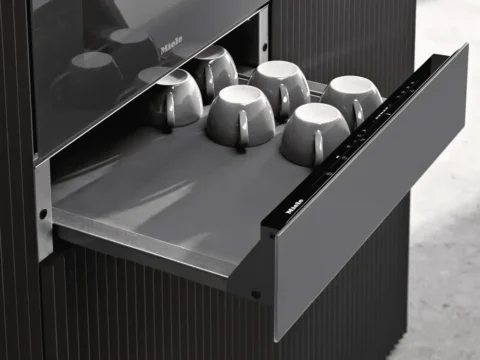
Shop all warming drawersA warming drawer sits under a compact oven or coffee machine in a tall housing, usually 14cm or 29cm high, and keeps plates and cooked food warm. Many also prove dough, slow cook, defrost and keep drinks at serving temperature.…
-
Freestanding Cookers
- Induction Freestanding Cookers
- Gas Freestanding Cookers
- Dual Fuel Freestanding Cookers
- Ceramic Freestanding Cookers
Shop all freestanding cookersA freestanding cooker combines an oven, grill and hob in a 50cm, 55cm or 60cm wide unit that stands on the floor between kitchen units. Choose gas, electric with a ceramic hob, induction or dual fuel. It is the practical…
-
Outdoor Cooking
Shop all outdoor cookingOutdoor cooking equipment for the garden: pizza ovens that reach pizza-stone temperatures in minutes and grills for cooking outside. Check the fuel type (gas, wood or charcoal) and whether the unit needs a stand or a table.




Explore cooking
2,450 products- Save £53.82
 Original price was: £269.10.£215.28Current price is: £215.28.
AEG 14cm Handleless Vacuum Sealer Drawer KDE911423B – Black
Inc. VAT. Free UK delivery
In stock
View product - Save £53.82 Original price was: £269.10.£215.28Current price is: £215.28.
AEG 14cm Handleless Warming Drawer KDE911424M – Stainless Steel
Inc. VAT. Free UK delivery
In stock
View product - Save £80.82 Original price was: £404.10.£323.28Current price is: £323.28.
AEG 14cm Series 6000 Handleless Warming Drawer OD8K11B – Black
Inc. VAT. Free UK delivery
In stock
View product - Save £117.00 Original price was: £584.99.£467.99Current price is: £467.99.
AEG 14cm Series 6000 Handleless Warming Drawer OD8K11T – Matte Black
Inc. VAT. Free UK delivery
In stock
View product - Save £59.22 Original price was: £296.10.£236.88Current price is: £236.88.
AEG 29cm Series 3000 Domino Induction Hob IKX32300CB – BLACK
Inc. VAT. Free UK delivery
In stock
View product - Save £105.66 Original price was: £528.30.£422.64Current price is: £422.64.
AEG 29cm Series 6000 Handleless Warming Drawer OD8K21B – Black
Inc. VAT. Free UK delivery
In stock
View product - Save £50.40 Original price was: £251.99.£201.59Current price is: £201.59.
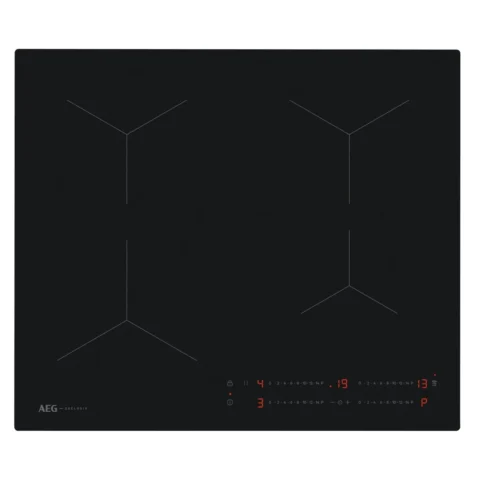
AEG 3000 60cm Induction Hob IBS6420SCB – Black
Inc. VAT. Free UK delivery
In stock
View product - Save £113.22 Original price was: £566.10.£452.88Current price is: £452.88.
AEG 55cm Freestanding Electric Ceramic Cooker CCX1530ACB – Black
Inc. VAT. Free UK delivery
In stock
View product - Save £122.22 Original price was: £611.10.£488.88Current price is: £488.88.
AEG 55cm Freestanding Electric Ceramic Cooker CCX1530ACM – Stainless Steel
Inc. VAT. Free UK delivery
In stock
View product - Save £84.60 Original price was: £422.99.£338.39Current price is: £338.39.
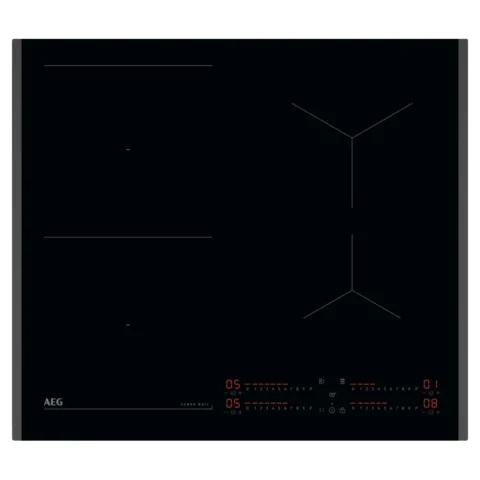
AEG 58cm Exclusiv Series 5000 Frameless 4 Zone Induction Hob SO64IA0BIT – Matte Black
Inc. VAT. Free UK delivery
In stock
View product - Save £62.82 Original price was: £314.10.£251.28Current price is: £251.28.
AEG 58cm Series 5000 4 Zone Induction Hob TN64IA00XB – Stainless Steel
Inc. VAT. Free UK delivery
In stock
View product - Save £61.20 Original price was: £305.99.£244.79Current price is: £244.79.
AEG 58cm Series 5000 Frameless 4 Zone Induction Hob SO64IA0SCB – Black
Inc. VAT. Free UK delivery
In stock
View product - Save £45.00 Original price was: £224.99.£179.99Current price is: £179.99.
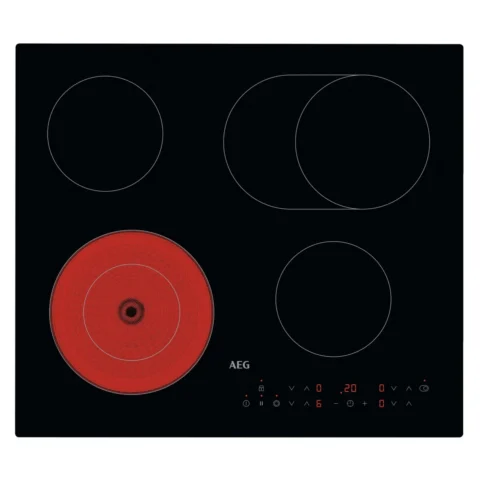
AEG 59cm 4 Zone Ceramic Hob HRX64360CB – Black
Inc. VAT. Free UK delivery
In stock
View product - Save £118.80 Original price was: £593.99.£475.19Current price is: £475.19.
AEG 59cm Exclusiv Series 7000 Bevelled Edge 4 Zone Induction Hob SI64IB1BFB – Black
Inc. VAT. Free UK delivery
In stock
View product - Save £68.22 Original price was: £341.10.£272.88Current price is: £272.88.
AEG 59cm Series 5000 13a 4 Zone Bevelled Edge Induction Hob TN64IA04FB – BLACK
Inc. VAT. Free UK delivery
In stock
View product - Save £71.82 Original price was: £359.10.£287.28Current price is: £287.28.
AEG 59cm Series 5000 4 Zone Bevelled Edge Induction Hob TN64IA00FB – BLACK
Inc. VAT. Free UK delivery
In stock
View product - Save £56.52 Original price was: £282.60.£226.08Current price is: £226.08.
AEG 59cm Series 5000 4 Zone Bevelled Edge Induction Hob TO64IC0XFB – Black
Inc. VAT. Free UK delivery
In stock
View product - Save £80.64Original price was: £403.22.£322.58Current price is: £322.58.
AEG 59cm Series 6000 4 Zone MaxiSense Induction Hob TO64IB00FB – BLACK.
Inc. VAT. Free UK delivery
In stock
View product - Save £93.78 Original price was: £468.90.£375.12Current price is: £375.12.
AEG 59cm Series 6000 4 Zone Sense SaphirMatt MaxiSense Induction Hob TO64IB00FZ – Matte Black
Inc. VAT. Free UK delivery
In stock
View product - Save £111.42 Original price was: £557.10.£445.68Current price is: £445.68.
AEG 59cm Series 7000 4 Zone Hob2Hood MaxiSense Induction Hob IAE64421FB – BLACK
Inc. VAT. Free UK delivery
In stock
View product - Save £104.40 Original price was: £521.99.£417.59Current price is: £417.59.
AEG 59cm Series 7000 4 Zone Induction Hob TI64IB10FB – Black
Inc. VAT. Free UK delivery
In stock
View product - Save £65.65 Original price was: £328.24.£262.59Current price is: £262.59.
AEG 59cm Series 8000 4 Burner FlameLight Gas On Glass Hob HKB64450NB – Black
Inc. VAT. Free UK delivery
In stock
View product - Save £140.22 Original price was: £701.10.£560.88Current price is: £560.88.
AEG 60cm Built In Combi Microwave KME565000M – STAINLESS STEEL
Inc. VAT. Free UK delivery
In stock
View product - Save £153.72 Original price was: £768.60.£614.88Current price is: £614.88.
AEG 60cm Freestanding Dual Fuel Cooker CKB6541ACM – Stainless Steel
Inc. VAT. Free UK delivery
In stock
View product











Cooking FAQs
If your question is not covered below, call us on +44 7822 030551.
What is the difference between a single and a double oven?
A single oven has one cavity, usually 65 to 80 litres, with the grill inside it. A double oven adds a second, smaller cavity with its own grill so you can cook at two temperatures at once. Double ovens need a tall housing, or a built-under version fits beneath a hob.
Do I need an electrician to fit a built-in oven?
Many single ovens draw under 3.6kW and plug into a standard household socket. Double ovens, range cookers and most hobs need a fixed connection to a dedicated cooker circuit, which must be made by a qualified electrician. The product page lists the connection type and power rating.
Will induction work with my pans?
Only pans with a magnetic base work on induction. Cast iron, enamelled steel and most stainless steel pans do; aluminium and copper pans without a magnetic base do not. If a fridge magnet sticks firmly to the base, the pan will work.
What is a pyrolytic oven?
A pyrolytic oven has a cleaning programme that heats the cavity to around 480 degrees, turning grease and food residue to ash that you wipe out with a damp cloth. It takes two to three hours and the door locks while it runs.
What size gap does a range cooker need?
Measure the width of the gap between your units and the depth to the wall. Range cookers are made in 60cm, 90cm, 100cm and 110cm widths and need a small clearance on either side, which is given in the installation instructions on the product page.